
The Exceptional Properties of Bulky Cashmere for Extreme Temperatures
When temperatures plummet and winter winds howl, few natural fibers offer the exceptional warmth and comfort of bulky cashmere. This remarkable material stands apart from ordinary cold-weather fabrics through its unique combination of substantial warmth with surprisingly lightweight feel.
Bulky cashmere represents the pinnacle of cold-weather luxury clothing. Unlike standard-weight cashmere that serves well in moderate conditions, bulky cashmere garments feature thicker yarns, denser knits, and specialized construction techniques specifically designed for extreme cold. The result is a garment that provides remarkable insulation while maintaining the legendary softness and comfort that makes cashmere so desirable.
What truly distinguishes premium bulky cashmere is its performance in harsh conditions. While other winter fabrics may feel heavy and restrictive, even the thickest cashmere retains a natural drape and flexibility. This remarkable material has historical roots in some of the world’s harshest environments—the high-altitude regions where cashmere goats developed their exceptional undercoat as protection against bitter mountain winters.
In this guide, we’ll explore the science behind cashmere’s superior warmth, examine the technical specifications that define bulky cashmere, and provide practical advice for selecting styling tips for cashmere cardigans and other heavy-gauge pieces. We’ll also share expert care instructions to ensure your investment pieces deliver years of reliable warmth and comfort.
Understanding cashmere origins and quality factors provides essential context for appreciating why this fiber commands such respect among those who face serious winter conditions. With proper knowledge, you can select bulky cashmere pieces that combine enduring style with unmatched cold-weather performance.
The Science Behind Cashmere’s Superior Warmth
At the microscopic level, cashmere’s exceptional warming properties begin with its unique fiber structure. Each individual cashmere fiber features a hollow core—a natural adaptation that allows cashmere goats to survive in extreme temperature fluctuations. These hollow centers trap body heat with remarkable efficiency, creating a thermal barrier that outperforms nearly every other natural fiber.
The impressive warming capability of cashmere comes from several key characteristics:
- Hollow fiber structure: Creates microscopic air pockets that capture and preserve body heat
- Ultra-fine diameter: Premium cashmere fibers measure under 16 microns in diameter (finer than human hair), allowing for maximum fiber density without weight
- Natural crimp: The gentle wave in cashmere fibers creates additional insulating air spaces between fibers
- Superior moisture management: Cashmere can absorb up to 35% of its weight in moisture without feeling wet, keeping you dry and maintaining insulation
- Temperature regulation: Adapts to body temperature changes, preventing overheating while maintaining core warmth
When comparing thermal efficiency, cashmere demonstrates truly remarkable properties. By weight, cashmere provides approximately eight times more insulation than traditional sheep’s wool. This exceptional warmth-to-weight ratio explains why relatively lightweight cashmere can deliver such impressive cold-weather performance.
The fiber’s natural evolution in harsh mountain environments has created a material perfectly suited for human comfort in similar conditions. Cashmere goats develop their prized undercoat as a response to extreme cold—the harsher the environment, the finer and denser the fibers become. This adaptation translates directly to the exceptional performance of why cashmere commands premium prices in quality winter garments.
For extreme cold protection, bulky cashmere capitalizes on these natural properties by increasing the volume of these remarkable fibers, maximizing their insulating potential through specialized construction techniques that we’ll explore in the next section.
Understanding Bulky Cashmere: Technical Specifications
To select the most effective cold-weather cashmere garments, understanding the technical specifications that define “bulky” cashmere becomes essential. Three key factors determine how warm and substantial a cashmere piece will be: ply count, knit gauge, and garment weight.
Ply Count: This refers to how many strands of yarn are twisted together to create the final yarn used in knitting. Higher ply counts create substantially thicker, warmer yarns.
| Ply Count | Thickness | Ideal Temperature Range | Best Uses |
|---|---|---|---|
| 2-ply | Light | 50-65°F (10-18°C) | Indoor, light layering |
| 4-ply | Medium | 40-50°F (4-10°C) | Moderate cold, daily wear |
| 8-ply | Heavy | 25-40°F (-4 to 4°C) | Cold weather, outdoor activities |
| 12-ply+ | Extra Heavy | Below 25°F (below -4°C) | Extreme cold, winter conditions |
Knit Gauge: This measurement indicates how many stitches appear per inch in the finished garment. Lower gauge numbers indicate fewer, larger stitches, creating a chunkier, more substantial fabric.
| Gauge | Stitches per Inch | Fabric Characteristics | Warmth Level |
|---|---|---|---|
| 3-5 | Very few | Very chunky, open texture | Extremely warm (with proper density) |
| 7 | Moderate | Substantial, defined texture | Very warm |
| 12+ | Many | Fine, smooth texture | Moderately warm |
Weight: The overall weight of cashmere is measured in grams per square meter (gsm) or simply in total garment weight. Heavier weights generally indicate more cashmere fiber content and greater warmth potential.
What creates the “bulk” in premium cashmere isn’t just thickness—it’s a deliberate combination of these factors. For example, a high-ply yarn (like 8-ply or 12-ply) knitted at a low gauge (3-5) creates a substantial fabric with exceptional insulating properties. This combination maximizes the amount of cashmere fiber while also creating additional air pockets between stitches that enhance the natural insulating properties.
Understanding cashmere yarn weights from lace to super bulky helps evaluate the practical warmth different pieces will provide. While standard cashmere might use 2-ply yarn at a 12-gauge knit, true cold-weather cashmere often features 8-ply or higher yarn knitted at 5-gauge or lower, creating a dramatically warmer, more substantial garment.
Essential Bulky Cashmere Styles for Maximum Warmth
The construction technique used in bulky cashmere garments dramatically affects both their insulating properties and aesthetic appeal. Certain knitting patterns inherently create warmer, more substantial garments by maximizing the insulating properties of cashmere fibers.
Cable Knits: Perhaps the most effective cold-weather knitting technique, cable patterns create additional fabric thickness through their three-dimensional structure. The overlapping strands in cable patterns effectively double the fabric thickness in those areas while creating air-trapping pockets that enhance insulation. Traditional Aran cable patterns, with their intricate weaving designs, provide exceptional warmth by increasing both fabric density and surface texture.
Ribbed Structures: Ribbed knitting (alternating raised and recessed vertical sections) creates natural elasticity and adds substantial thickness. The textured surface of ribbing traps additional air layers while allowing the garment to conform to the body, preventing cold air infiltration. Heavy 3×3 or 5×5 ribs provide excellent cold-weather protection.
Honeycomb and Popcorn Textures: These dimensional stitch patterns create raised surfaces with deep recesses, effectively increasing the fabric’s insulating air layer. The three-dimensional texture adds both visual interest and functional warmth.

Double-Layer Construction: The ultimate in cold-weather cashmere involves knitting two complete layers of fabric that remain connected, creating a true thermal barrier. This technique appears in premium collars, cuffs, and hems where wind protection is crucial.
Silhouette Considerations: The overall shape of a garment also impacts its warming ability. Oversized styles that allow for air trapping between the garment and body often provide better insulation than form-fitting pieces. However, styles that seal effectively at openings (wrists, neck, waist) prevent warm air from escaping.
Estate Cloth specializes in cashmere cable knit sweaters that exemplify these warming principles through traditional patterns executed with modern precision. The dimensional texture creates multiple insulating layers while the substantial yarn weight ensures exceptional cold-weather performance.
When examining bulky cashmere garments, pay particular attention to collar construction, as this area significantly impacts overall warmth. High turtlenecks, substantial shawl collars, and double-layer cowl necks provide critical protection for this vulnerable area in extreme conditions.
Must-Have Bulky Cashmere Garments for Severe Cold
When preparing for truly challenging cold weather, certain bulky cashmere pieces prove indispensable through their combination of exceptional warmth and practical functionality. These core garments form the foundation of an effective extreme-weather cashmere wardrobe.
Essential Heavy Sweaters
Oversized Turtlenecks and Funnel Necks: The gold standard for severe cold protection, heavy-gauge turtlenecks provide crucial neck insulation while their relaxed fit allows for effective layering. Look for double-layer neck construction with heights of at least 4-5 inches for maximum protection.
Chunky Crewneck and V-neck Pullovers: These versatile pieces work well in layering systems. The most effective versions feature tight ribbing at cuffs and waistbands to prevent heat loss. Heavy 5-gauge or lower construction using 8-ply or higher yarn provides substantial insulation.
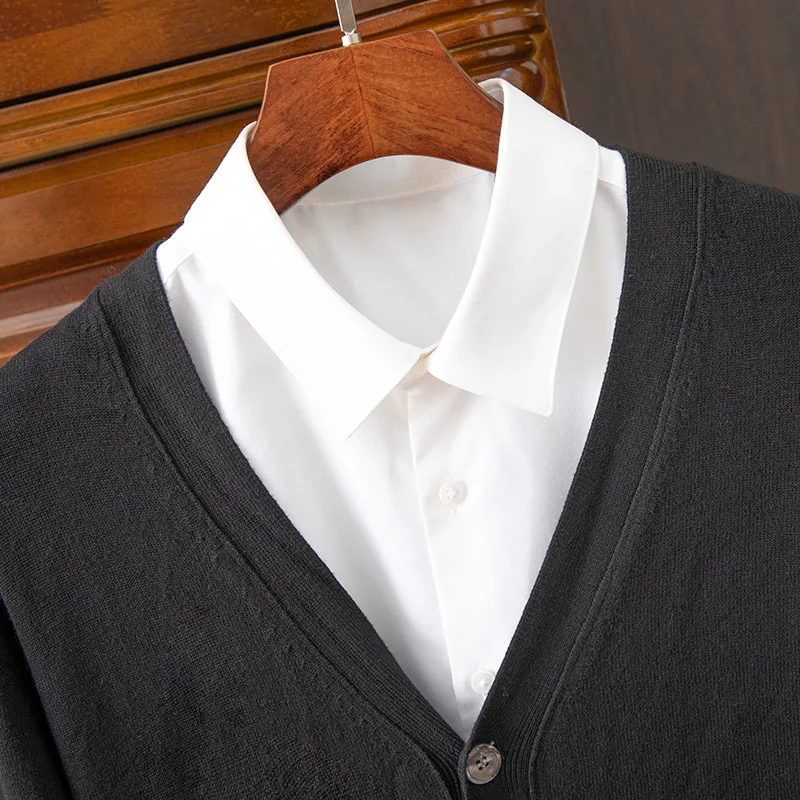
Heavy Cable-Knit Cardigans: Perhaps the most versatile cold-weather option, substantial cardigans allow temperature regulation through opening and closing. Premium versions feature reinforced button plackets, shawl collars, and patch pockets that add additional insulation where needed.
Specialized Cashmere Outerwear
Double-Faced Cashmere Coats: The ultimate luxury in cold-weather protection, these pieces feature two complete layers of cashmere fabric with no visible lining. The exceptional weight (often over 900g) creates unmatched insulation while maintaining cashmere’s characteristic softness.
Heavyweight Cashmere Jackets: Structured jackets using dense cashmere fabric provide excellent wind resistance combined with natural insulation. The best examples feature high collars, wind plackets behind zippers, and ribbed cuffs to seal out drafts.
Cashmere-Lined Outerwear: Pieces that combine weather-resistant outer shells with cashmere lining offer practical protection for active outdoor wear in extreme conditions.
Critical Accessories
Double-Layer Cashmere Hats and Beanies: Essential for preventing critical heat loss through the head, the most effective versions use two complete layers of heavy cashmere with a full-coverage design.
Extra-Long, Wide Cashmere Scarves: Oversized scarves (at least 70” long and 12” wide) provide versatile protection that can cover the neck, lower face, and head when needed. Heavy cable knit or ribbed versions offer superior insulation.
Double-Thickness Cashmere Gloves and Mittens: While mittens provide superior warmth by keeping fingers together, lined cashmere gloves offer a practical compromise between warmth and dexterity.
Thermal Cashmere Socks: Often overlooked, heavyweight cashmere socks provide exceptional foot insulation. Look for versions with reinforced heels and toes for durability.
Investing in oversized cashmere sweaters provides both aesthetic appeal and practical functionality in severe weather. The relaxed fit allows for effective layering while creating additional insulating air space between garment and body.
How to Identify Premium-Quality Bulky Cashmere
Not all bulky cashmere offers equal performance in extreme conditions. Identifying truly premium pieces requires understanding specific quality markers that indicate exceptional cold-weather performance.
The foundation of all premium cashmere begins with the raw fiber quality. Grade A cashmere (the highest classification) features fibers with a minimum length of 36mm and maximum diameter of 16 microns. These longer, finer fibers create smoother, stronger yarn that resists pilling while providing superior insulation.
When evaluating bulky cashmere in person, these practical assessments help identify exceptional quality:
The Touch Test: Premium heavy cashmere feels substantively dense yet remarkably soft. Lower-quality thick cashmere often achieves bulk through looser spinning or inclusion of other fibers, resulting in a rougher hand feel. True luxury bulky cashmere manages to maintain softness despite its substantial weight.
The Recovery Test: Gently stretch the fabric in different directions—premium cashmere should immediately spring back to its original shape. This resilience indicates longer fibers and proper tension in knitting, essential for garments that maintain their insulating properties over time.
The Light Test: Hold the garment up to natural light. Even thick cashmere should have relatively consistent density without obvious thin spots or irregularities. The yarn should show uniform thickness throughout the garment.
The Pilling Assessment: Rub the fabric gently between fingers or against itself. Lower-quality cashmere will immediately show surface fuzzing and pilling. Premium cashmere resists this initial pilling because longer fibers remain more securely anchored in the yarn.
Understanding the differences between chunky cashmere and fine cashmere warmth helps in selecting the appropriate weight for specific conditions. While chunky constructions offer maximum insulation for stationary activities in extreme cold, finer gauge pieces often perform better during active pursuits where moisture management becomes equally important.
Quality matters particularly in bulky cashmere because the substantial yarn requires exceptional fiber strength to maintain structural integrity. Lower-quality thick cashmere often stretches out of shape and develops surface pilling much faster than premium versions, dramatically reducing both performance and appearance.
Top Bulky Cashmere Pieces Worth The Investment
When investing in bulky cashmere for extreme cold, certain pieces justify their premium price through exceptional performance, versatility, and longevity. These investment-worthy garments combine superior materials with construction techniques specifically designed for maximum thermal protection.
What distinguishes truly investment-grade bulky cashmere comes down to three essential factors:
- Superior raw materials: Using only the longest, finest Grade A fibers from prime harvesting regions
- Specialized construction: Employing techniques like fully-fashioned knitting where pieces are shaped during creation rather than cut and sewn
- Thoughtful design details: Incorporating functional elements like reinforced stress points, windproof plackets, and protective collars
The most enduring bulky cashmere pieces tend to feature classic silhouettes that transcend fashion cycles. These timeless designs allow the exceptional material to remain relevant and functional for decades rather than seasons, maximizing the return on a significant investment.
For those building a cold-weather cashmere wardrobe, these foundational pieces offer exceptional value through their versatility and performance:
- Substantial shawl-collar cardigans in neutral tones that function as both mid-layer and light outerwear
- Heavy-gauge turtlenecks that protect the vulnerable neck area while providing core insulation
- Oversized cashmere wraps that adapt to different wearing styles from scarves to shoulder coverings
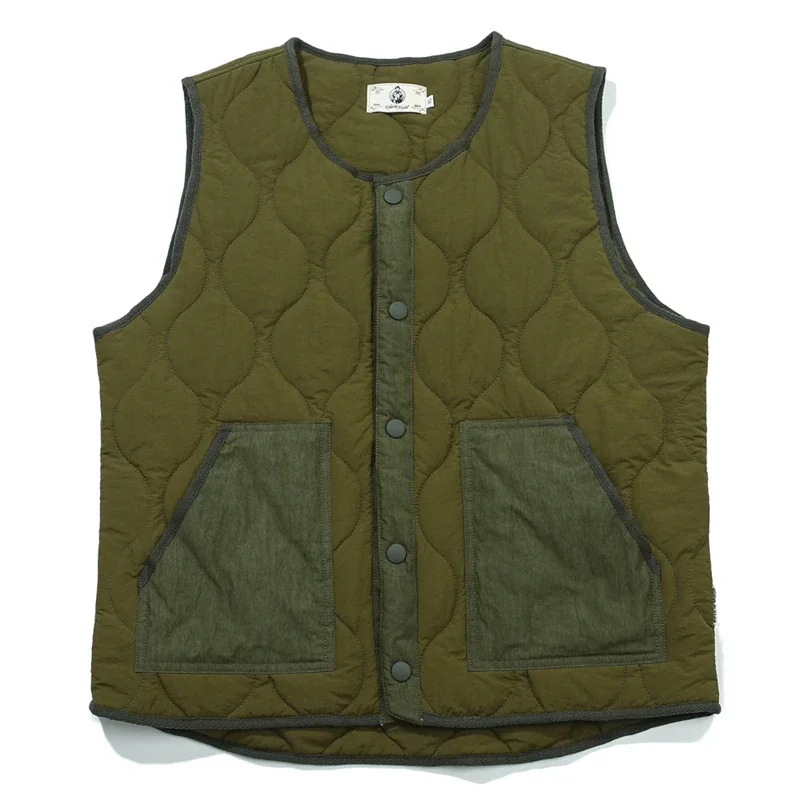
- Double-faced cashmere vests that warm the core while allowing freedom of movement
While premium bulky cashmere represents a significant investment, understanding whether cashmere cardigans are worth the investment helps contextualize the value proposition. Quality pieces can deliver decades of reliable service when properly maintained, making their cost-per-wear remarkably reasonable compared to less expensive items that require frequent replacement.


Cashmere Cable Knit Sweaters, Women's Cashmere Pullovers
Price range: $111.82 through $112.93 Select options This product has multiple variants. The options may be chosen on the product page

Oversized Cashmere Sweaters, Plus Size Cashmere Sweaters, Women's V-Neck Cashmere Sweaters
$136.87 Select options This product has multiple variants. The options may be chosen on the product page Price range: $108.11 through $130.03 Select options This product has multiple variants. The options may be chosen on the product page
Oversized Cashmere Sweaters, Women's V-Neck Cashmere Sweaters
$132.66 Select options This product has multiple variants. The options may be chosen on the product page
Women's Cashmere Cardigans, Women's Cashmere Turtlenecks
$87.89 Select options This product has multiple variants. The options may be chosen on the product page
Oversized Cashmere Sweaters, Women's Cashmere Pullovers
Price range: $99.25 through $103.39 Select options This product has multiple variants. The options may be chosen on the product page
The investment value becomes particularly apparent in extreme weather conditions where performance directly impacts comfort and potentially safety. In these situations, the exceptional insulation and moisture management of premium bulky cashmere delivers tangible benefits that justify its premium positioning.
Expert Care Techniques for Bulky Cashmere
Proper maintenance dramatically extends the useful life of bulky cashmere garments, preserving both their insulating properties and luxurious appearance. The substantial nature of these heavy-gauge pieces requires specialized care techniques that differ from those used with lighter cashmere items.
Cleaning Heavy Cashmere
Thick cashmere requires less frequent washing than lighter weights due to its natural resistance to odors and dirt. When cleaning becomes necessary:
- Use tepid water (never hot) with a specialized cashmere shampoo or gentle detergent free from enzymes and brighteners
- Soak rather than agitate—gently press the soapy water through the garment without wringing or twisting
- Rinse thoroughly using the same gentle pressing motion, changing rinse water until completely clear
- Remove excess water by pressing between clean towels—never wring or twist bulky cashmere
Drying Techniques
The drying process is critical for maintaining the structure of bulky cashmere:
- Lay the damp garment on a clean, dry towel away from direct heat and sunlight
- Gently reshape to original dimensions while damp—this “blocking” process is essential for heavy knits
- For very thick pieces, place small rolled towels inside sleeves and under collars to maintain shape
- Allow complete air-drying before storing, which may take 24-48 hours for substantial pieces
Combating Pills
Heavier cashmere may initially shed more surface fibers than lighter weights. Address pilling by:
- Using a specialized cashmere comb or pill remover designed for delicate fibers
- Working in one direction with gentle, short strokes
- Removing pills regularly when they first appear rather than allowing buildup
Strategic Storage
Knowing whether cashmere should be hung or folded is particularly important for bulky pieces. The substantial weight of these garments means they should always be stored flat on shelves or in drawers rather than hung, which can cause stretching and distortion. Between wearings:
- Allow 24-hour rest periods between uses to allow fibers to recover their loft
- Store clean garments in breathable cotton bags with cedar blocks nearby (not touching) for moth protection
- Never compress heavy cashmere for extended periods, which can permanently flatten the air-trapping structure
With proper care, premium bulky cashmere often becomes more comfortable and develops enhanced character over time while maintaining its exceptional thermal properties—making it truly an investment in long-term comfort.
How to Layer Bulky Cashmere Effectively
Mastering the art of layering transforms bulky cashmere from simple garments into a comprehensive cold-weather system. The substantial nature of these pieces requires thoughtful combination to maintain mobility while maximizing insulation.
Base Layer Foundation
Begin with thin, moisture-wicking base layers that create a comfortable interface between skin and heavier cashmere:
– Lightweight cashmere or cashmere-silk blend tops provide natural temperature regulation
– Form-fitting silhouettes prevent bunching under subsequent layers
– Extended lengths ensure coverage during movement
Mid-Layer Insulation
Bulky cashmere works exceptionally well as the primary insulating mid-layer:
– Heavy cashmere vests provide core warmth while allowing arm mobility
– Substantial turtlenecks deliver both neck protection and torso insulation
– Thicker pullovers or cardigans create the central thermal barrier
Strategic Outer Layers
For extreme conditions, complement bulky cashmere with appropriate outer protection:
– Wind-resistant shells over heavy cashmere sweaters for blustery conditions
– Water-repellent outerwear that protects cashmere from moisture while allowing its insulation to function
– Double-faced cashmere coats that serve as both insulation and outer protection in dry cold
Practical Combinations
These tested layering strategies work particularly well for different conditions:
For Dry, Extreme Cold (-10°F/-23°C and below):
– Lightweight cashmere base layer
– Heavy cashmere turtleneck or pullover
– Cashmere cardigan as additional mid-layer
– Double-faced cashmere coat or jacket
For Moderate Cold with Wind (15-30°F/-9 to -1°C):
– Thin cashmere base layer
– Bulky cashmere vest or pullover
– Wind-resistant, non-bulky outer shell
Understanding the ultimate guide to layering cashmere cardigans provides additional versatility in creating effective cold-weather systems. Cardigans offer particular advantages in layering due to their adjustable front closure and ability to function in multiple positions within the layering hierarchy.
The key to successful bulky cashmere layering lies in managing moisture and preventing overheating. Even in extreme cold, physical activity generates heat and perspiration that must escape to maintain comfort. Strategic layering allows for temperature regulation through selective opening or removing of layers as conditions change.
Is Bulky Cashmere Always Better for Extreme Cold?
While bulky cashmere provides exceptional insulation, the relationship between thickness and actual thermal performance involves several important nuances worth understanding. The right cashmere choice depends on specific conditions, activity levels, and personal factors rather than simply selecting the thickest available option.
When Bulky Cashmere Excels:
Bulky cashmere delivers its best performance in these specific conditions:
– Dry, extremely cold environments where static insulation is the priority
– Situations with minimal physical exertion where perspiration management is less critical
– Conditions with significant temperature differential between indoor and outdoor environments
– Extended periods of exposure to cold without access to additional shelter
When Alternative Approaches May Work Better:
Other cashmere strategies might prove more effective when:
– Activity levels fluctuate significantly, creating variable heat and moisture output
– Wet conditions threaten to compromise cashmere’s insulating properties
– Space constraints limit layering options (such as under technical gear)
– Weight considerations affect comfort during extended wear
Density often matters more than sheer bulk in determining cashmere’s insulating effectiveness. A moderately thick cashmere piece with tight, consistent knitting sometimes outperforms a bulkier item with looser construction. This explains why some medium-weight cashmere garments from premium producers deliver surprising warmth despite their relatively streamlined appearance.
The layering approach—using multiple thinner cashmere pieces rather than a single very thick one—often provides superior adaptability to changing conditions. This strategy creates multiple insulating air layers while allowing selective adjustment as temperatures or activity levels change.
For many cold-weather enthusiasts, the ideal solution combines specialized pieces. Cashmere turtlenecks provide critical neck protection and core insulation while allowing compatibility with various outer layers. This adaptable approach often delivers better real-world performance than relying on a single, extremely heavy cashmere piece.
How Does Cashmere Compare to Other Premium Cold-Weather Fabrics?
Understanding how bulky cashmere compares to other premium cold-weather materials helps inform selection for specific conditions. Each fiber brings distinct advantages and limitations worth considering when investing in cold-weather garments.
| Material | Warmth Rating | Weight | Moisture Management | Durability | Best Use Case |
|---|---|---|---|---|---|
| Bulky Cashmere | Excellent | Medium | Very Good | Good with care | Luxury cold-weather wear |
| Merino Wool | Very Good | Light | Excellent | Very Good | Active pursuits |
| Alpaca | Excellent | Heavy | Good | Excellent | Extreme cold, static wear |
| Qiviut | Superior | Very Light | Excellent | Good | Ultimate luxury, very dry cold |
| Tech Fabrics | Good | Very Light | Variable | Excellent | Wet conditions, high activity |
Bulky Cashmere vs. Merino Wool
While both fibers offer natural insulation, they excel in different scenarios. Cashmere provides superior softness and approximately 8 times more insulation by weight. However, merino generally offers better moisture management during intense activity and typically shows greater durability with less careful maintenance. For stationary cold exposure where comfort is paramount, cashmere generally provides the better experience.
Bulky Cashmere vs. Alpaca
Alpaca fiber creates exceptionally warm garments with outstanding durability. Its scales-free structure resists pilling better than cashmere. However, many find even premium alpaca lacks the extraordinary softness of quality cashmere, making it less comfortable for direct skin contact. Alpaca’s significant weight can also reduce wearability for extended periods compared to cashmere’s lighter feel despite similar insulation.
Bulky Cashmere vs. Technical Fabrics
Modern synthetic insulations offer impressive performance-to-weight ratios and superior performance when wet. However, they typically lack cashmere’s temperature regulation, creating potential overheating issues during activity fluctuations. Many users also report that technical fabrics cannot match the sensory experience and comfort of premium natural fibers like cashmere.
For many cold-weather enthusiasts, the ideal solution combines materials strategically. Men’s cashmere turtlenecks provide exceptional comfort and core insulation, while technical outer layers deliver weather protection when conditions demand it. This hybrid approach maximizes the unique benefits of bulky cashmere while addressing its limitations in extreme conditions.
In the final analysis, bulky cashmere occupies a special position among cold-weather materials. It offers an unmatched combination of luxury and performance that makes it worth the investment for those who value both exceptional warmth and the sensory pleasure of premium natural fibers.